Technique · 5 min read
Why isolation matters more than speed
Fast sets are impressive. Sets that are still beautiful three weeks later are what clients come back for.
October 12, 2026
Demo article
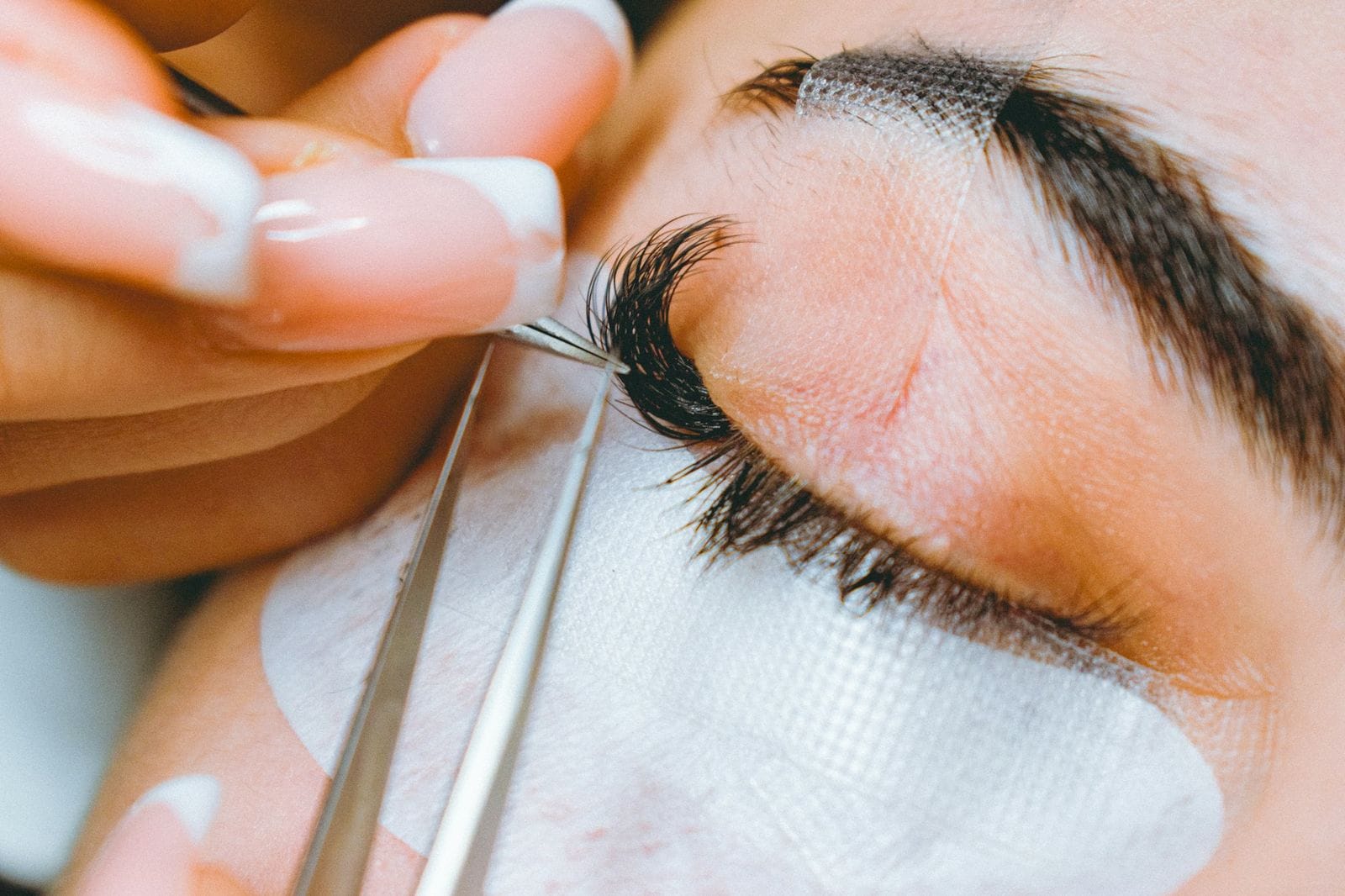
Every lash artist eventually feels the pull to work faster. Appointment slots are expensive, and a quicker full set seems like the obvious way to grow. But speed built on shortcuts shows up later — in stickies, in early shedding, and in clients who quietly don’t return.
What isolation actually protects
When two natural lashes are bonded together, they can no longer shed independently. As one grows and the other doesn’t, the bond pulls. At best the client loses extensions early; at worst, the natural lash is damaged.
- Clean isolation keeps each natural lash on its own growth cycle.
- It makes retention predictable, so your fills are consistent.
- It is the single habit clients notice without knowing its name: lashes that look neat for weeks.
Speed comes from consistency
The fastest artists are rarely rushing. They have a fixed tray layout, a repeatable hand position and a mapping routine that removes decisions mid-set. Speed is the by-product of a workflow you no longer have to think about.
A simple practice drill
Set a timer for ten minutes and isolate, without attaching, across one zone of a mannequin lash strip. Count clean isolations, not attempts. Repeat daily for a week and watch the number rise while your shoulders relax.
This article is demonstration content for the Maison Cil journal and can be edited or replaced in the admin panel.